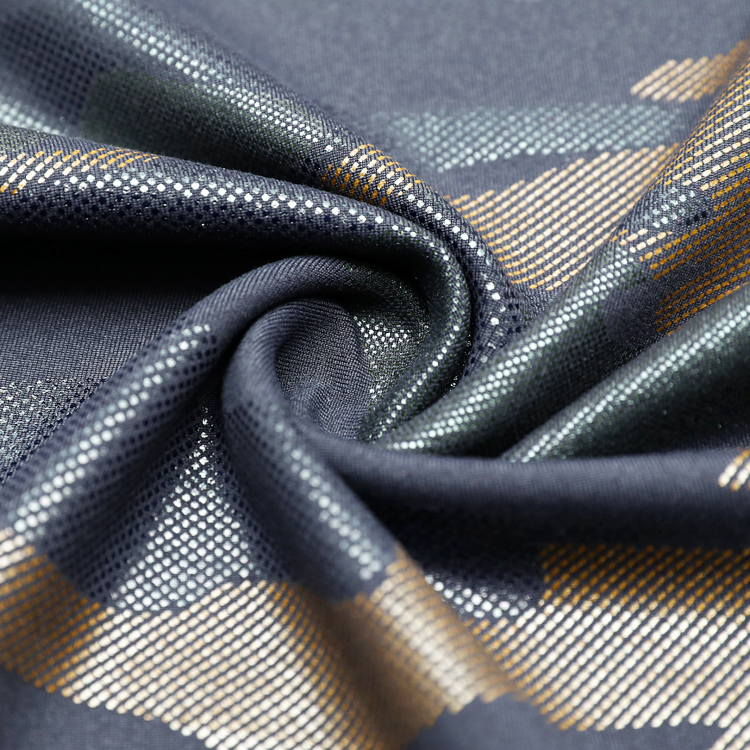
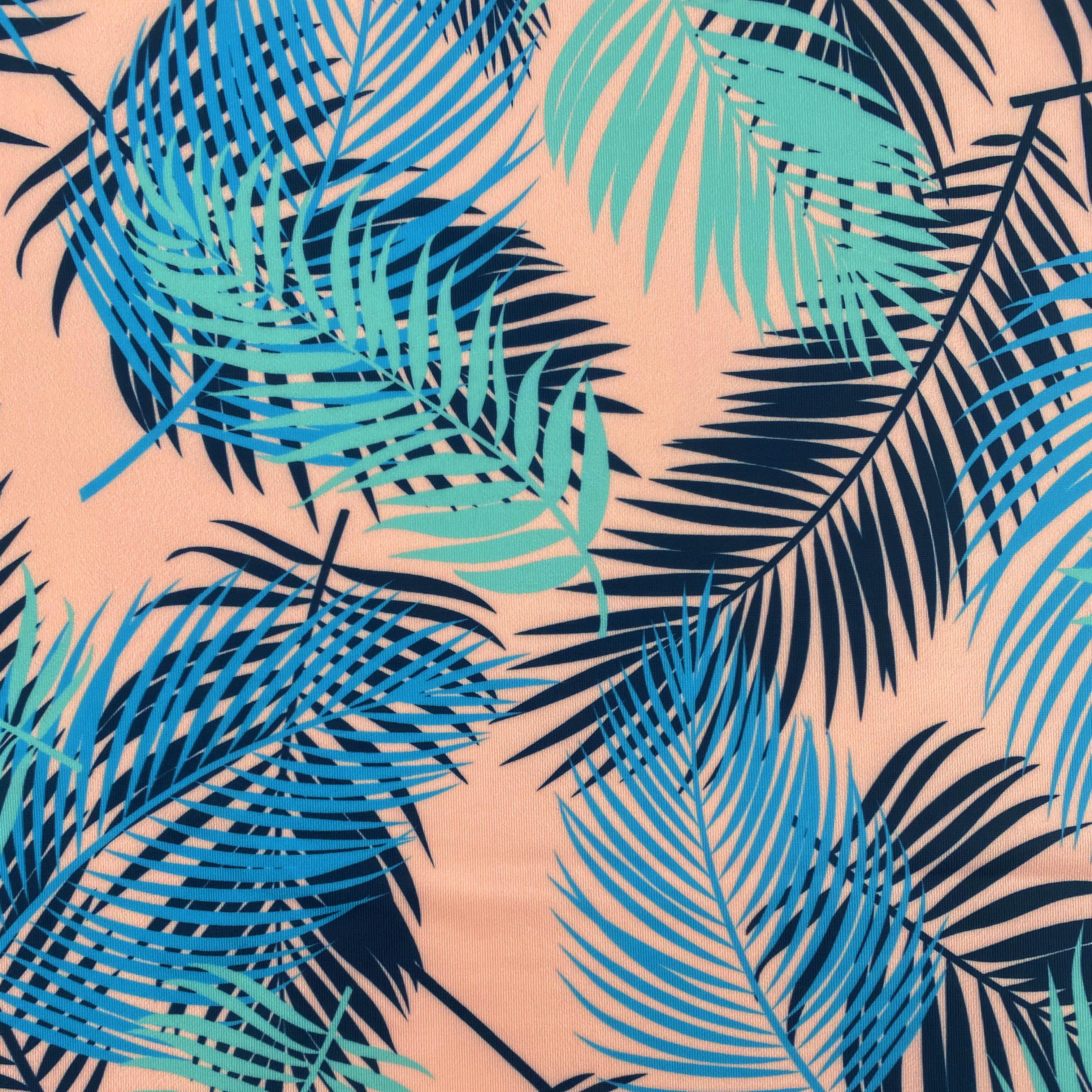
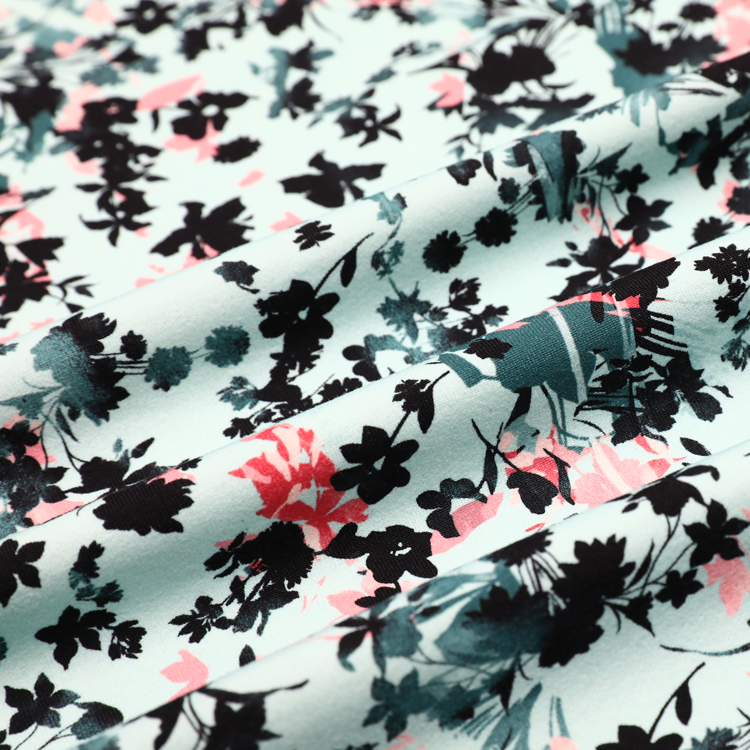
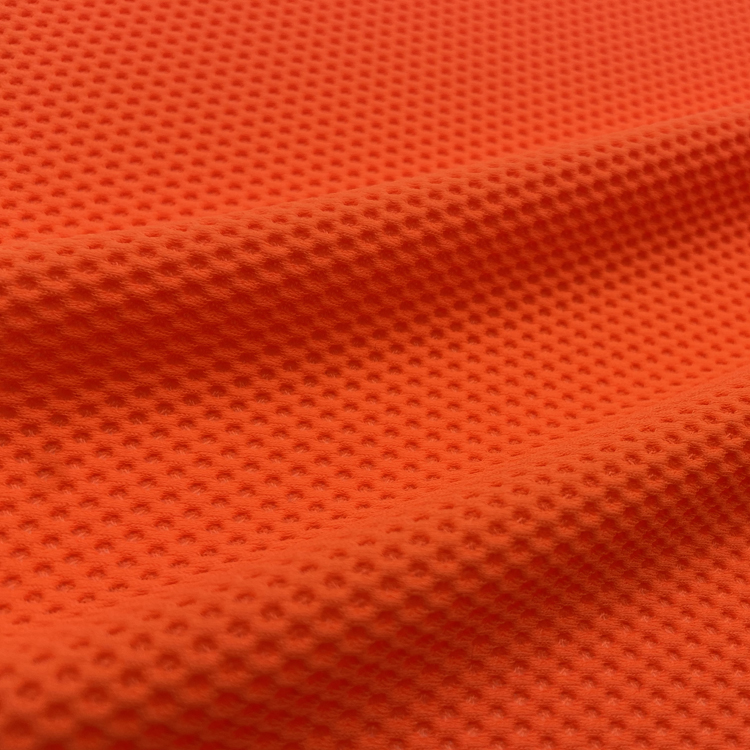
For svømmere, der træner ofte (3 gange om ugen) eller tilbringer lange timer i klorbassiner, polyester er det bedre valg på grund af dets overlegne klorresistens og formfastholdelse. Nylon er mere velegnet til rekreativ svømning, aktiviteter i åbent vand eller situationer, hvor komfort og en blødere følelse har prioritet.
Klor er den største trussel mod badetøjets levetid. Polyesters tættere molekylære struktur giver den langt større modstand mod klor og UV-eksponering sammenlignet med nylon. Testdata fra professionelle badetøjsmærker som Speedo og TYR viser, at polyesterbadedragter af høj kvalitet kan modstå 200-300 timers brug i klorvand, mens sammenlignelige nylondragter typisk begynder at vise synlig falmning og tab af elasticitet efter 100-150 timer.
Når nylon absorberer klor, nedbrydes fibrene gradvist, hvilket får dragten til at tynde ud, bliver semi-transparent og mister sin strækning. For svømmere, der træner dagligt, betyder det, at en nylondragt kun kan holde en sæson, mens en polyesterdragt ofte kan holde i et til to år.
Polyester har en stærkere elastisk genopretning — den modstår deformation selv efter gentagne stræk, hvilket er grunden til, at de fleste konkurrencedygtige træningsdragter bruger polyester som deres primære materiale. For eksempel er TYR Durafast-serien lavet af 100% polyester, specifikt markedsført for sin holdbarhed og formstabilitet.
Nylon er på den anden side velanset for sin første pasform. Fibrene er blødere og tilpasser sig tættere til kroppen og føles næsten som en anden hud, når den er tør. Nylon absorberer dog vand og svulmer lidt, når det er vådt, hvilket kan få dragten til at løsne sig i poolen. Polyester absorberer næsten intet vand (absorptionshastighed ca. 0,4 % sammenlignet med nylons ca. 4 %), hvilket bibeholder en stabil, kompressiv pasform under hele din svømmetur.
| Ydelsesfaktor | Polyester | Nylon |
|---|---|---|
| Klorresistens | Fremragende | Moderat |
| UV-beskyttelse | Fremragende | Moderat |
| Blødhed / komfort | Moderat | Fremragende |
| Vandabsorptionshastighed | ~0,4% (absorberer næsten ikke vand) | ~4% (absorberer noget vand) |
| Levetid (poolbrug) | 200-300 timer | 100-150 timer |
| Prisklasse | Mellem til høj | Lav til midt |
| Farvefastholdelse | Fremragende | Moderat |
Hvis du hovedsageligt svømmer ved strande, søer eller udendørs pools, er polyesters UV-modstand fortsat den stærkeste mulighed. Det meste badetøj vurderet UPF 50 bruger polyester eller polyester blandinger. Ved langvarig soleksponering nedbrydes nylonfiberstyrken omtrent dobbelt så hurtigt som polyester, og farver falmer mærkbart hurtigere.
Når det er sagt, hvis dine udendørsaktiviteter involverer meget bevægelse - såsom snorkling eller vandsport - giver nylons fleksibilitet og stræk (med en typisk brudforlængelse på 15-25 %, versus polyesters 12-18 %) et større bevægelsesområde.
En stor del af badetøjet på markedet bruger blandede materialer til at balancere styrkerne af hver fiber. De mest almindelige sammensætninger er:
Uanset materiale forlænger korrekt pleje badetøjets levetid betydeligt. For både polyester og nylon er de vigtigste fremgangsmåder de samme: Skyl umiddelbart efter svømning for at fjerne klor- eller saltrester, håndvask eller maskinvask på en kold skånsom cyklus, og lufttør væk fra direkte sollys - brug aldrig en tørretumbler.
Polyester er mere tilgivende, når pleje forsømmes. Fordi det absorberer så lidt vand, resulterer selv den lejlighedsvise manglende skylning i, at langt mindre klor tilbageholdes af fibrene, hvilket forårsager mindre kumulativ skade over tid.

Som Yitai, siden 2004, har vi fremstillet sportstøj strikkede stoffer såsom interlock stof, nylon stof, spandex stof, polyester stof osv. Med fremragende R&D gruppe, marketing team, kvalitetskontrol system, erfaren farvning og efterbehandling understøttende facilitet og kundeservice system.
Haining Yitai Knitting Co., Ltd
No. 198 Canghai Road, Warp Knitting Zone, Haining City, Zhejiang, 314419, Kina Tel: +0086 135 6738 5757 E-mail: [email protected] [email protected]FØLG OS